LASIK vs FS-LASIK vs LASEK: Understanding Your Laser Vision Correction Options
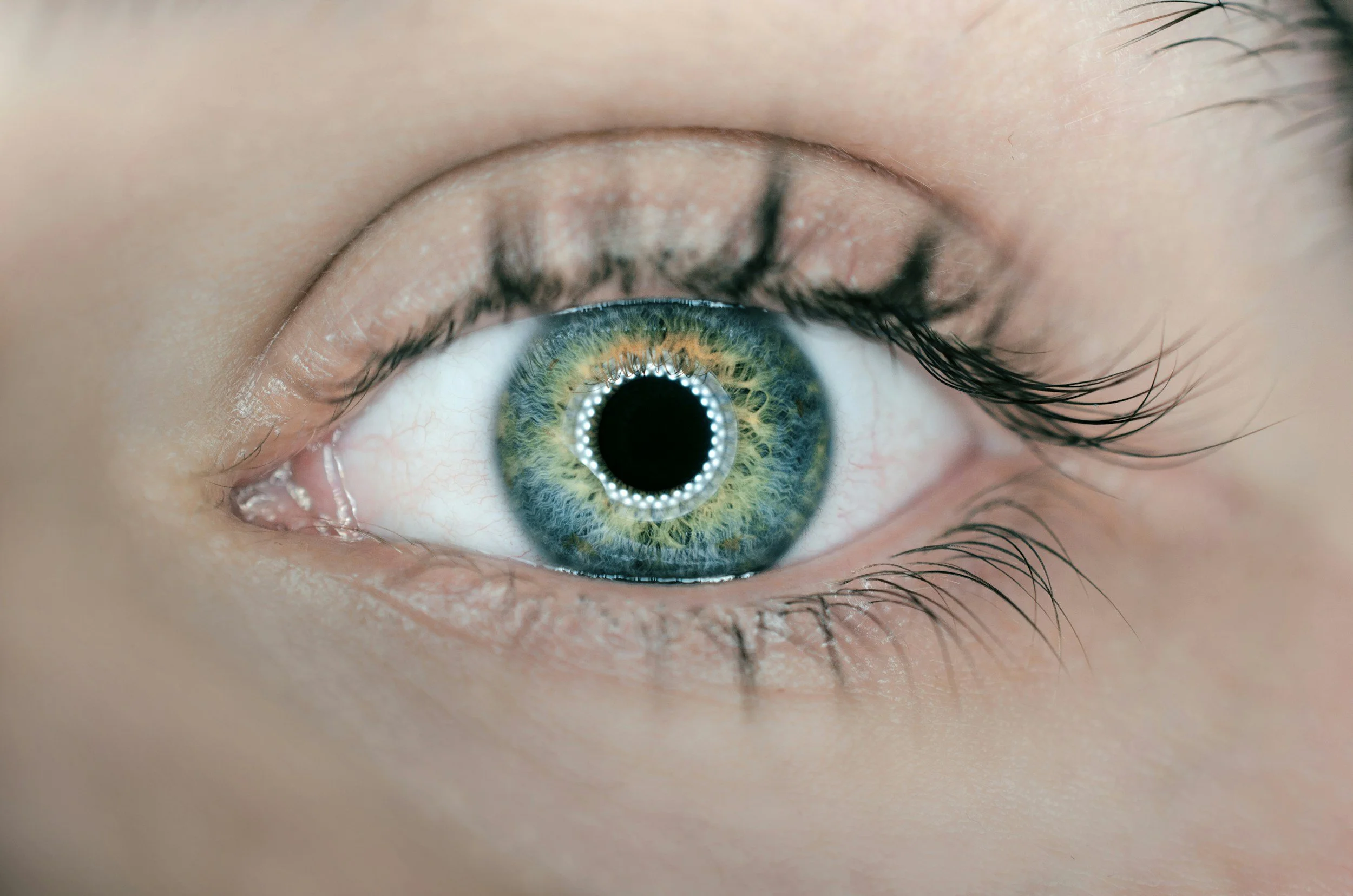
If you're tired of wearing glasses or contact lenses, laser vision correction may be an option worth considering. Modern eye surgery can help many people achieve clearer vision and reduce their dependence on corrective eyewear.
When researching laser eye surgery, you'll often come across three common procedures: LASIK, FS-LASIK, and LASEK. While their names sound similar, there are important differences between them.
In this guide, we'll explain each procedure, compare their advantages and disadvantages, and help you understand which option may be right for you.
What Is Laser Vision Correction?
Laser vision correction uses advanced laser technology to reshape the cornea—the clear front surface of your eye. By changing the shape of the cornea, light can focus more accurately on the retina, resulting in clearer vision.
Laser eye surgery can often correct:
Nearsightedness (myopia)
Farsightedness (hyperopia)
Astigmatism
The goal is to reduce or eliminate the need for glasses or contact lenses.
What Is LASIK?
LASIK (Laser-Assisted In Situ Keratomileusis) is one of the most popular and widely performed vision correction procedures in the world.
During LASIK:
A thin flap is created on the surface of the cornea.
The flap is gently lifted.
An excimer laser reshapes the underlying corneal tissue.
The flap is placed back into position.
The flap acts like a natural bandage and usually heals without stitches.
Benefits of LASIK
Fast procedure (typically 10–15 minutes for both eyes)
Minimal discomfort
Quick visual recovery
Many patients return to normal activities within 1–2 days
Proven track record with millions of procedures performed worldwide
Possible Drawbacks
Not suitable for everyone, especially people with very thin corneas
Temporary dry eyes may occur
Rare flap-related complications can happen
What Is FS-LASIK?
FS-LASIK (Femtosecond LASIK) is an advanced version of traditional LASIK.
The main difference is how the corneal flap is created.
In traditional LASIK, a mechanical blade called a microkeratome may be used to create the flap. In FS-LASIK, a highly precise femtosecond laser creates the flap instead.
After the flap is created, the remaining steps are similar to LASIK.
Benefits of FS-LASIK
Blade-free procedure
Greater precision and customization
Consistent flap thickness
Reduced risk of certain flap-related complications
Often preferred by surgeons using the latest laser technology
Possible Drawbacks
Usually more expensive than traditional LASIK
Not everyone requires the additional technology to achieve excellent results
What Is LASEK?
LASEK (Laser-Assisted Sub-Epithelial Keratectomy) is a different type of laser vision correction procedure.
Unlike LASIK and FS-LASIK, LASEK does not create a corneal flap.
Instead:
The surgeon loosens the thin outer layer of the cornea (epithelium).
This layer is gently moved aside.
The laser reshapes the cornea.
The epithelial layer is repositioned.
A protective contact lens is placed on the eye during healing.
Benefits of LASEK
No corneal flap
Suitable for some patients with thin corneas
Lower risk of flap-related complications
May be preferred for people involved in contact sports or certain occupations
Possible Drawbacks
Longer recovery period
More discomfort during healing
Vision improvement takes longer than LASIK or FS-LASIK
Patients may need several days to weeks before vision stabilizes
LASIK vs FS-LASIK vs LASEK: Key Differences
| Feature | LASIK | FS-LASIK | LASEK |
|---|---|---|---|
| Corneal Flap | Yes | Yes | No |
| Flap Creation Method | Mechanical blade (microkeratome) | Femtosecond laser | Not applicable |
| Recovery Speed | Fast | Fast | Slower |
| Comfort After Surgery | High | High | Moderate |
| Suitable for Thin Corneas | Sometimes | Sometimes | Often Yes |
| Risk of Flap Complications | Low | Very Low | None |
| Cost | Moderate | Higher | Varies |
Which Procedure Is Best?
There is no single "best" laser eye surgery for everyone.
The right option depends on factors such as:
Corneal thickness
Eye prescription
Overall eye health
Lifestyle and occupation
Sports participation
Budget
Surgeon recommendations
For many patients, FS-LASIK offers the benefits of LASIK with enhanced precision. However, people with thinner corneas may be better candidates for LASEK.
A comprehensive eye examination is the best way to determine which procedure is most suitable for your eyes.
Is Laser Eye Surgery Safe?
Modern laser vision correction procedures have been performed for decades and are generally considered very safe when patients are properly selected.
However, like any medical procedure, there are risks and potential side effects, including:
Dry eyes
Glare or halos around lights
Temporary vision fluctuations
Infection (rare)
Need for enhancement procedures
Your eye surgeon will discuss potential risks and benefits based on your individual situation.
Frequently Asked Questions
Does LASIK hurt?
Most patients report little to no pain during LASIK or FS-LASIK. You may feel mild pressure during the procedure and temporary discomfort afterward.
Is FS-LASIK better than LASIK?
FS-LASIK uses a laser instead of a blade to create the corneal flap, offering greater precision. However, both procedures can provide excellent visual outcomes for suitable candidates.
Is LASEK safer than LASIK?
LASEK eliminates flap-related risks because no corneal flap is created. However, it usually involves a longer recovery period and more postoperative discomfort.
How long does recovery take?
LASIK: Often 1–2 days for functional vision
FS-LASIK: Similar to LASIK
LASEK: Several days to weeks for full visual recovery
Final Thoughts
LASIK, FS-LASIK, and LASEK are all effective laser vision correction procedures that can help reduce dependence on glasses and contact lenses.
LASIK offers fast recovery and excellent outcomes.
FS-LASIK provides a blade-free, highly precise version of LASIK.
LASEK may be a good option for patients with thinner corneas or those who wish to avoid a corneal flap.
The best choice depends on your eyes, lifestyle, and personal goals. A consultation with an experienced eye surgeon can help determine which procedure is right for you.
If you're considering laser eye surgery, understanding your options is the first step toward clearer vision and greater freedom from glasses and contact lenses.